DaylightSavings
Daylight Savings Time (DST) is an annual practice where clocks are moved forward by one hour during the warmer months (spring and summer) and back again in the fall and winter. This is your guide to knowing exactly when the time exchange starts, ends, falls forward, springs back so you could always feel confident answering: When does the time change?
When is daylight savings 2026
Started
March 8
Ends
November 1
Clocks fall back in 33days
Sunday, November 1, 2026 at 2:00am

What is daylight savings?
Daylight Savings Time (DST) is an annual practice where clocks are moved forward by one hour during the warmer months (sprint and summer) and back again in the fall and winter.
The idea behind daylight savings is to take advantage of the summer months by using more of it's daylight. But the slight change in time can be tricky.
Daylight Savings Time was introduced as a way to conserve energy by making better use of daylight during the longer summer days. By shifting an hour of daylight from the early morning (when most people are asleep) to the evening, DST allows people to enjoy more daylight after work or school. The practice first gained traction during World War I and World War II as a way to reduce the need for artificial lighting and thus conserve fuel.
Daylight Savings Time was introduced as a way to conserve energy by making better use of daylight during the longer summer days. By shifting an hour of daylight from the early morning (when most people are asleep) to the evening, DST allows people to enjoy more daylight after work or school. The practice first gained traction during World War I and World War II as a way to reduce the need for artificial lighting and thus conserve fuel. In most places that observe DST, the clocks “spring forward” by one hour in the early morning of the second Sunday in March, and they “fall back” one hour on the first Sunday in November. This pattern is meant to extend evening daylight hours, theoretically reducing the need for energy consumption in the form of lighting and heating.
Which States in the U.S. Observe Daylight Savings Time?
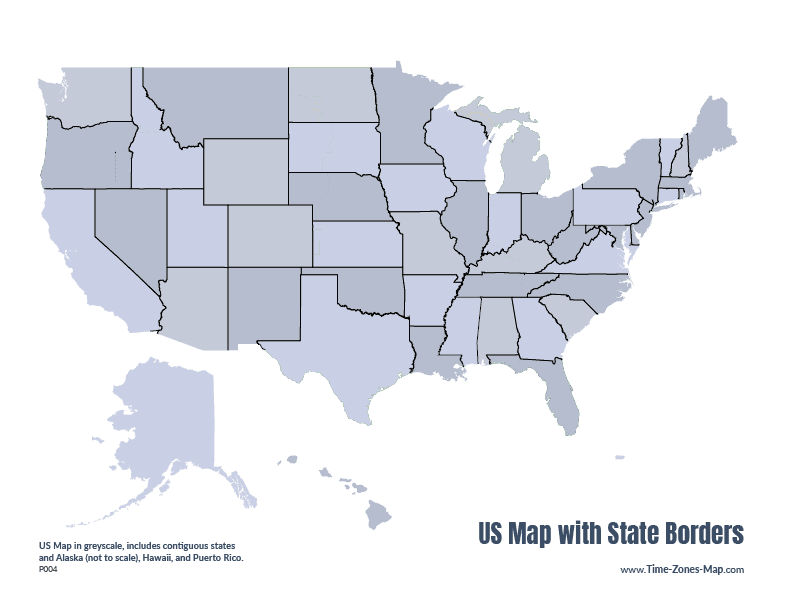
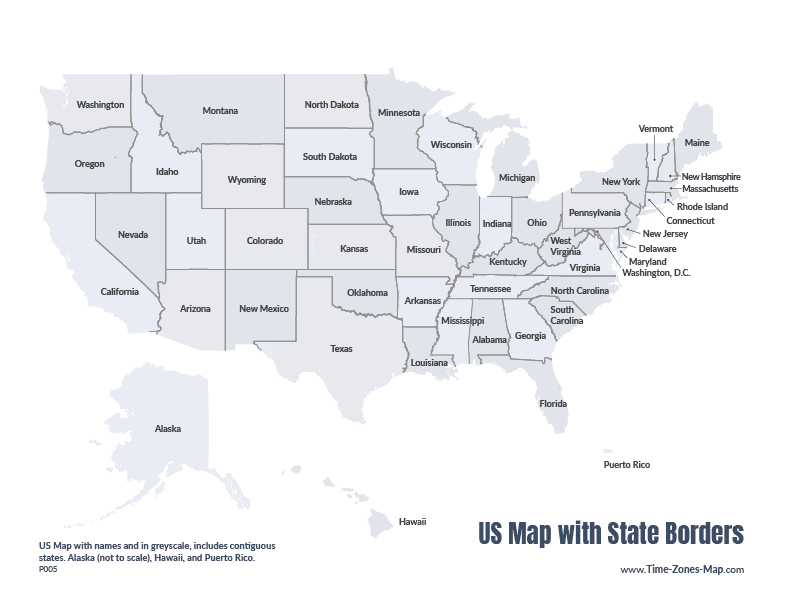
While DST is observed in most of the United States, there are some exceptions. Two states do not observe daylight savings time:
- Arizona—The majority of the state, including its capital Phoenix, does not observe DST. However, the Navajo Nation, which occupies parts of northeastern Arizona, does observe it. This is why we have two clocks for Arizona. Arizona's hot climate is a big reason why the state chooses to forgo DST, as many prefer to have cooler evening hours rather than extending the hot daylight.
- Hawaii—Given its tropical location near the equator, Hawaii experiences less variation in daylight throughout the year. There's little benefit in adjusting the clocks when the amount of daylight remains fairly consistent year-round.
In addition to these states, some U.S. territories like Puerto Rico, the U.S. Virgin Islands, Guam, and American Samoa also do not observe daylight savings.
Ongoing detabe about keeping DST
In recent years, there has been an ongoing debate about whether DST should be abolished or reformed. Some advocates call for making daylight savings permanent, eliminating the need to change clocks twice a year. Several U.S. states have proposed legislation to stay on permanent DST, meaning the clocks would be set forward and left that way year-round. Florida, Washington, and California are among the states that have made strides toward this.
However, any change to DST at the state level requires federal approval, and so far, no state has made the permanent switch. Despite the push for change, there's no nationwide consensus on whether DST should remain as is, be abolished, or be made permanent.
No matter where you stand on this twice yearly tradition, it is tricky to ensure you're connecting with friends, colleagues, and prospects at the right time. That's why we pride ourselves in making tools that makes time easy.
Is this helpful?
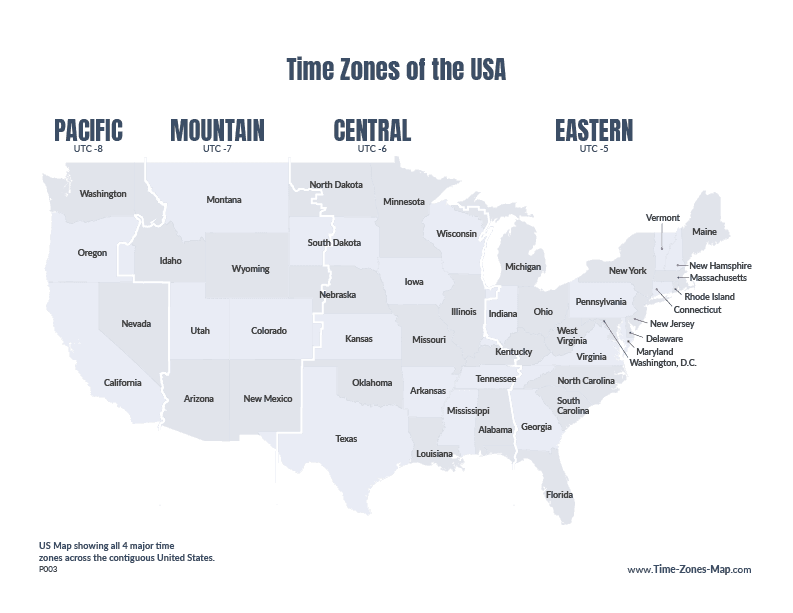
Printable time zone maps
For those with no time to waste on interactive mumbo jumbos-enjoy these free printable time zone map for North America. Download the PDF and print to have a reference at your fingertips.